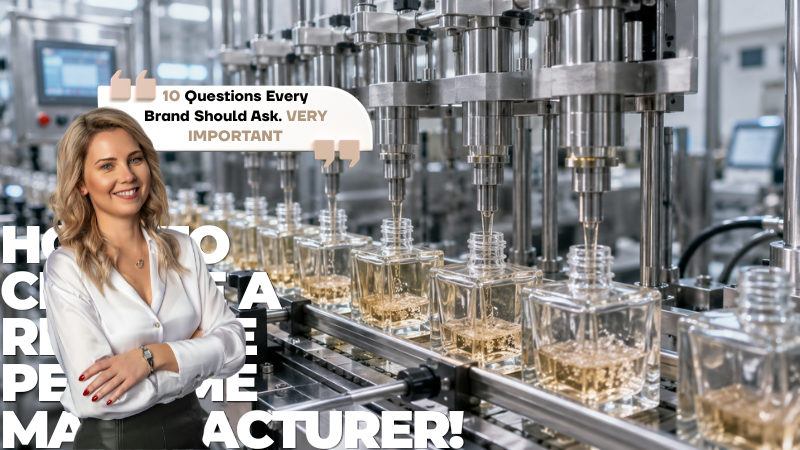
Launching a fragrance brand is easier than ever, but finding the right perfume manufacturing partner remains one of the most important decisions you'll make.
A beautiful bottle and a trendy scent may attract customers initially, but product consistency, quality control, compliance, and supply chain stability are what determine whether a fragrance brand succeeds long-term.
If you're currently searching for a perfume manufacturer, this guide will help you evaluate suppliers more effectively and avoid common mistakes that can cost your business both time and money.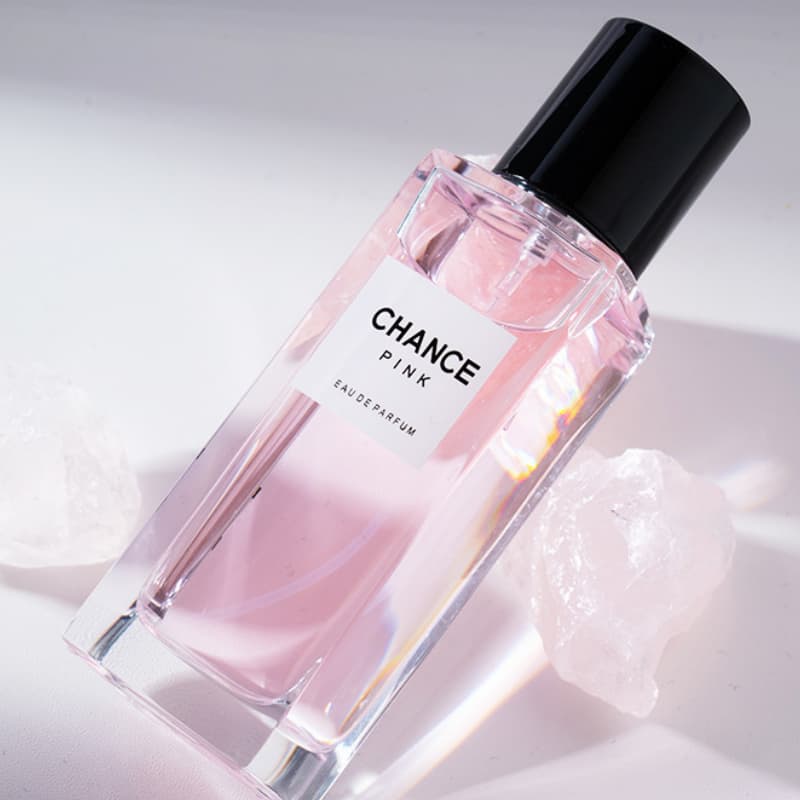
One of the most confusing parts of sourcing perfume products is receiving dramatically different quotations from different suppliers.
For example, three manufacturers may quote completely different prices for what appears to be the same 50ml perfume bottle.
The reason is simple: perfume pricing involves far more than filling liquid into a bottle.
Factors that influence cost include:
A low quotation may not always represent better value. In many cases, manufacturers reduce costs by using lower fragrance concentrations, simplified packaging, or lower-grade components.
When comparing suppliers, ask for detailed specifications rather than comparing price alone.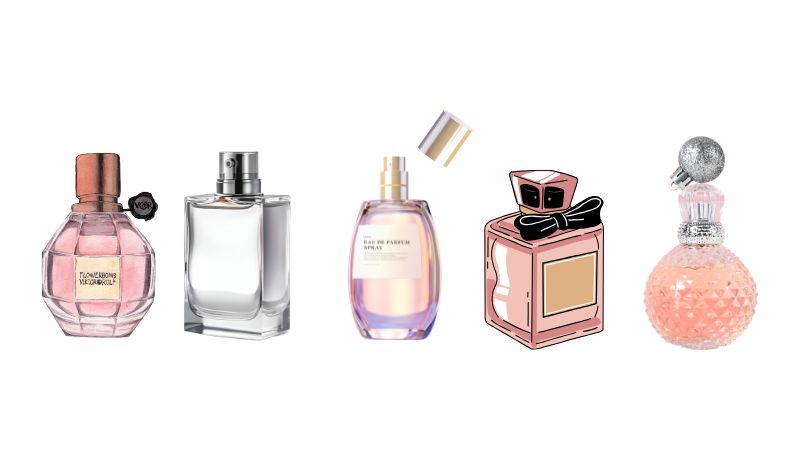
Many brands assume every fragrance manufacturer develops fragrances internally. In reality, this is not always the case.
Some factories simply purchase existing fragrance oils and focus on production.
Others work closely with fragrance laboratories and perfumers to develop unique scent profiles.
If building a differentiated brand is important to you, ask:
Strong fragrance development capabilities often indicate a more experienced custom perfume manufacturer.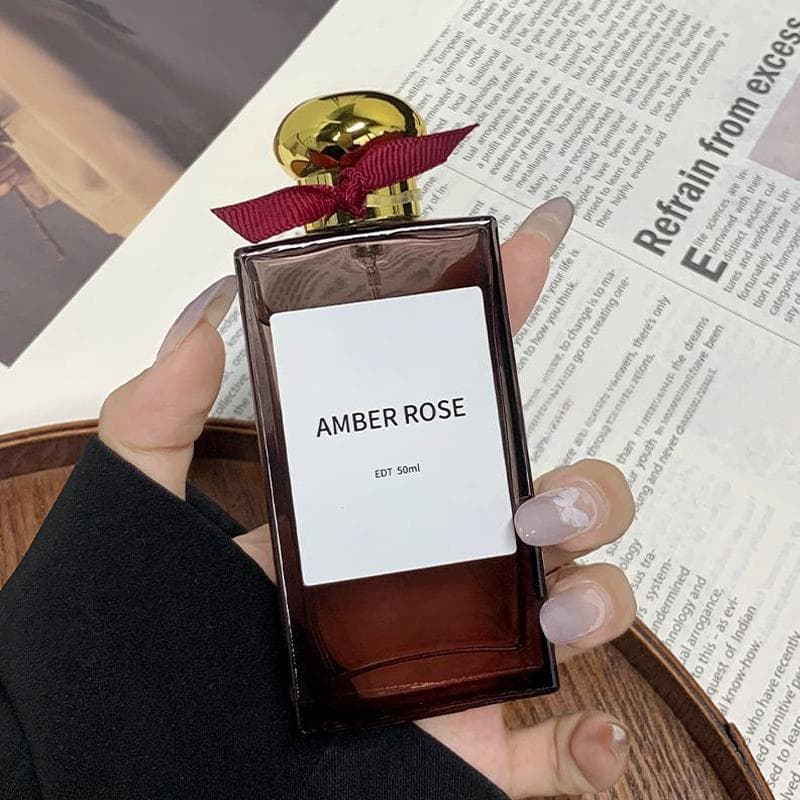
Most buyers evaluate a fragrance by smell alone.
However, professional brands typically assess additional factors before approving production.
Questions worth asking include:
A reliable perfume manufacturing company should be able to provide testing procedures and quality evaluation standards to help minimize future product issues.
Compliance becomes increasingly important as your brand grows.
Many countries and retailers require products to meet specific standards before entering the market.
When evaluating a private label perfume manufacturer, ask whether they understand:
A supplier with international experience can help prevent costly delays and regulatory issues later.
Many startups immediately focus on MOQ, but few understand why minimum order quantities exist.
In perfume manufacturing, MOQ is often influenced by:
A manufacturer willing to explain MOQ structures transparently is usually easier to work with as your business grows.
For emerging brands, flexibility can be just as important as pricing.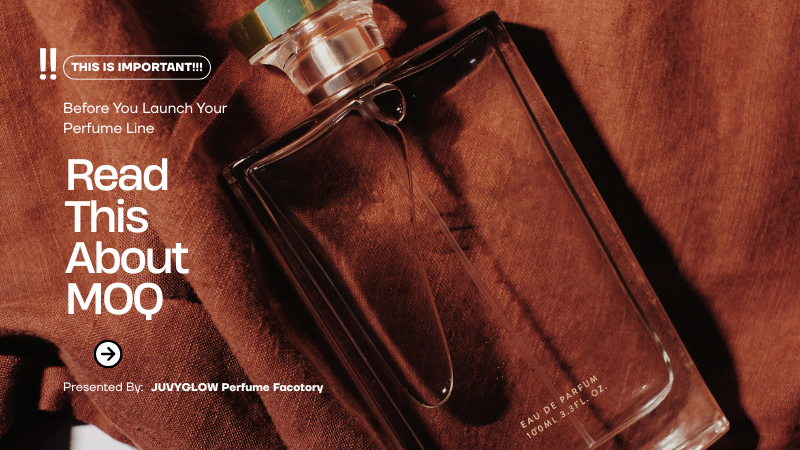
Related Post: Before You Launch Your Perfume Line, Read This About MOQ (THIS IS IMPORTANT!!!)
Brand owners often spend months developing product concepts and fragrance ideas.
Before sharing proprietary information, ask:
While not every project requires exclusivity, discussing intellectual property protection early helps avoid misunderstandings later.
Many new fragrance brands focus heavily on the scent while underestimating the importance of packaging.
In reality, packaging often plays a significant role in purchasing decisions.
A capable OEM perfume manufacturer should be able to assist with:
Managing multiple packaging suppliers independently can become complicated and increase project timelines.
Working with a manufacturer that offers integrated support often simplifies the process.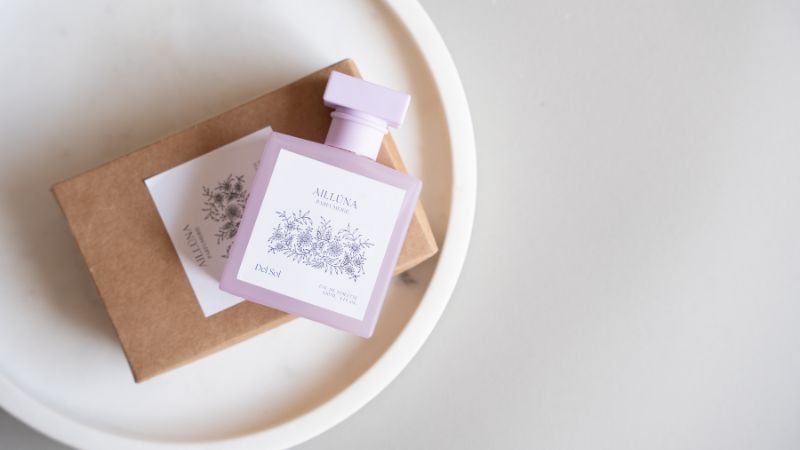
Quality control should be discussed in detail rather than treated as a simple checkbox.
Ask about inspection procedures at every stage of production:
Raw materials, bottles, caps, pumps, and packaging should be inspected before production begins.
Manufacturers should monitor filling accuracy, sealing quality, and packaging consistency throughout production.
Finished products should be reviewed before shipment to ensure they meet agreed specifications.
A professional perfume factory should be able to clearly explain its quality control workflow.
Many startups choose suppliers based solely on their current needs.
However, a manufacturer that can handle 5,000 units may not be the right partner when demand reaches 100,000 units.
Consider asking:
Selecting a long-term partner can save significant time and effort as your business expands.
Every manufacturing project encounters challenges.
Raw materials may become unavailable. Packaging deliveries may be delayed. Production schedules may shift unexpectedly.
The difference between a reliable supplier and an unreliable one is not whether problems occur, but how those problems are managed.
Ask potential suppliers:
The answers often reveal more about a manufacturer than their product catalog.
Choosing the right perfume manufacturer is about far more than finding the lowest price.
A strong manufacturing partner should provide transparency, technical expertise, quality assurance, and the flexibility to support your brand as it grows.
Whether you're launching your first fragrance collection or expanding an existing product line, asking the right questions early can help you avoid unnecessary risks and make better sourcing decisions.
At JUVYGLOW, we work with beauty brands, retailers, and wholesalers worldwide, offering both private label perfume and custom perfume manufacturing solutions. From fragrance development and packaging customization to production and quality control, our team supports brands throughout every stage of the product development process.
If you're exploring opportunities to launch your own fragrance brand, feel free to contact our team to discuss your project requirements and manufacturing goals.


